

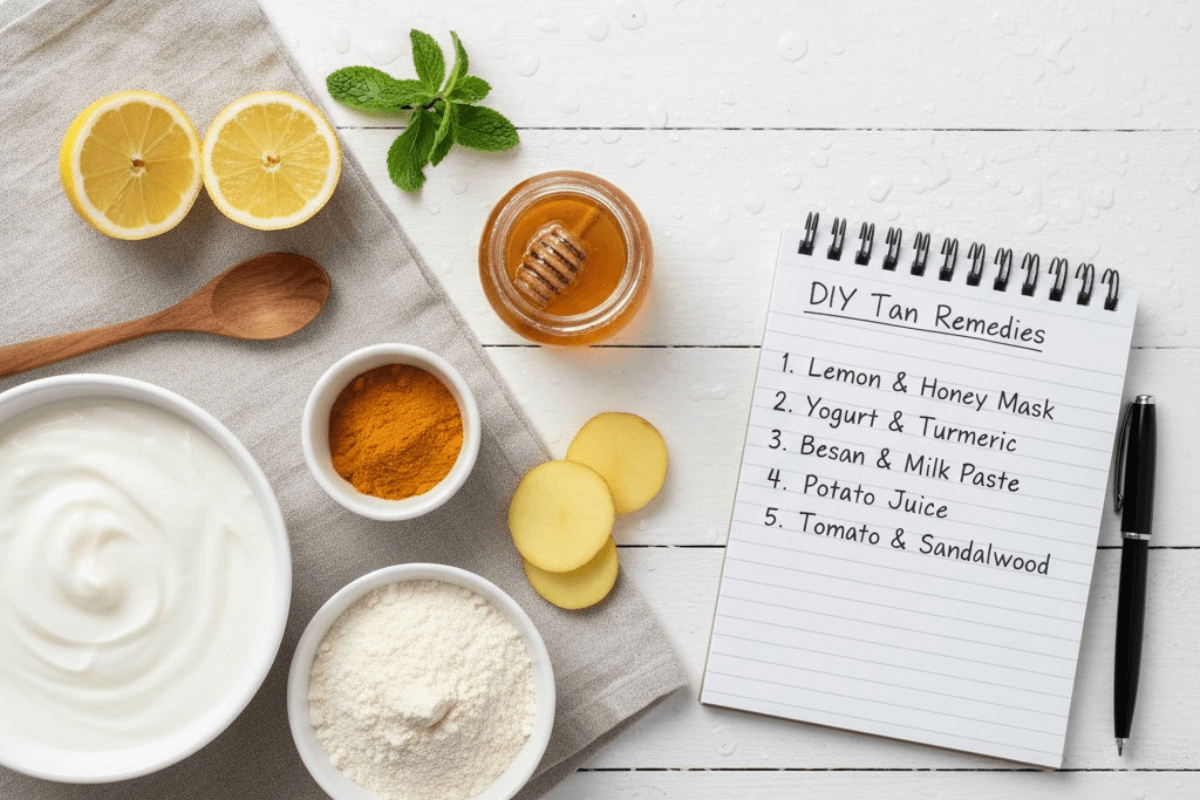
You need to soothe skin and healthy look and need solutions for sunburn relief, especially when the warmth of the sun is inviting, but sometimes, a little too much exposure can leave your skin red, tender, and screaming for relief. Sunburns are not just uncomfortable; they’re a sign of skin damage, and while prevention is always key, knowing how to treat them effectively at home is crucial. Fortunately, your kitchen and pantry often hold the secrets to effective DIY solutions for sunburn relief, offering a comforting balm for irritated skin. This detailed guide will explore various home remedies for sunburn relief, focusing on natural remedies for sunburn that can help you soothe sunburn at home and promote healing.
Understanding Sunburn: More Than Just Redness
Before diving into DIY sunburn treatment, it’s important to understand what a sunburn is. It’s an inflammatory reaction to ultraviolet (UV) radiation from the sun, causing damage to skin cells. This damage leads to redness, pain, warmth, and in severe cases, blistering and peeling. The goal of any natural skin care for sunburn relief is to reduce inflammation, cool the skin, moisturize, and prevent further damage or infection.
Essential First Steps for Any Sunburn
Regardless of which homemade remedies for sunburned skin you choose, these initial steps are vital:
- Get Out of the Sun: Immediately move indoors or into deep shade to prevent further exposure.
- Cool Down: Take a cool (not cold) bath or shower. Avoid harsh soaps, as they can further irritate the skin. Pat your skin dry gently instead of rubbing.
- Hydrate Internally: Drink plenty of water. Sunburn can lead to dehydration, so replenishing fluids is crucial for recovery.
Top Natural Remedies for Sunburn: Your At-Home Arsenal
Now, let’s explore the most effective and soothing sunburn naturally at home options.
1. Aloe Vera: The Green Healer
If there’s one superhero in the world of DIY solutions for sunburn relief, it’s aloe vera. This succulent plant is packed with anti-inflammatory compounds and glycoproteins that accelerate healing and reduce pain.
- How to Use: For the best home remedy for sunburn relief using aloe, cut open a fresh aloe vera leaf and scoop out the clear, gel-like pulp. Apply this directly to the affected areas. If fresh aloe isn’t available, opt for a pure aloe vera gel (ensure it’s 100% pure, without added fragrances or alcohol, which can further irritate). Reapply several times a day.
- Why it Works: Aloe contains aloin, a compound known for its anti-inflammatory properties, and polysaccharides that aid in skin repair. It provides an immediate cooling sensation and helps keep the skin moisturized.
2. Oatmeal Baths: A Soothing Soak
Oatmeal isn’t just for breakfast; it’s a centuries-old remedy for irritated skin. Colloidal oatmeal (finely ground oats) has anti-inflammatory and antioxidant properties that can be incredibly comforting for sunburned skin.
- How to Use: Grind plain, uncooked oatmeal into a fine powder (a blender works well). Add 1-2 cups of this colloidal oatmeal to a lukewarm bath. Soak for 15-20 minutes. Avoid hot water, as it can strip natural oils from your skin and worsen the burn. Gently pat dry afterward.
- Why it Works: Oatmeal forms a protective barrier on the skin, locking in moisture and reducing itching and inflammation. This is one of the most effective cooling remedies for sunburn relief.
3. Cool Compresses with Green Tea: Antioxidant Power
Green tea is renowned for its antioxidant and anti-inflammatory benefits, making it an excellent addition to your natural treatments for sunburn pain.
- How to Use: Brew several bags of green tea in hot water, then allow it to cool completely. You can even refrigerate it for an extra cooling effect. Soak a soft cloth in the cool green tea and apply it as a compress to the sunburned areas for 15-20 minutes. Repeat as needed.
- Why it Works: The catechins in green tea, particularly EGCG, help to reduce inflammation and oxidative stress caused by UV radiation. The cool temperature of the compress provides immediate relief.
4. Apple Cider Vinegar: A pH Balancer (Use with Caution!)
Apple cider vinegar (ACV) is a popular folk remedy, often recommended for balancing skin pH and reducing pain. However, it should be used with caution as it can sometimes be irritating.
- How to Use: Dilute apple cider vinegar with equal parts water. Lightly dab this mixture onto the sunburned skin using a cotton ball or soft cloth. Do NOT apply undiluted ACV directly to burned skin. Some people also add a cup of ACV to a lukewarm bath. If you experience any stinging or increased irritation, discontinue use immediately.
- Why it Works: ACV is thought to help restore the skin’s pH balance and may have mild antiseptic properties. The immediate cooling effect from evaporation also provides temporary relief.
5. Milk Compresses: Protein Power
Milk contains proteins and fats that can help soothe and hydrate the skin, along with lactic acid which can be gently exfoliating.
- How to Use: Soak a clean cloth or gauze in cold milk (full-fat milk is often recommended for its higher fat content) and apply it to the sunburned area for 10-15 minutes. The proteins in the milk coat the skin, forming a protective, soothing layer.
- Why it Works: The proteins (especially casein) and fats in milk have anti-inflammatory properties, and the cool temperature provides immediate relief.
6. Cucumber Slices: Instant Cool Down
Cucumbers are not just for salads; their high water content and antioxidant properties make them fantastic for cooling inflamed skin.
- How to Use: Chill a cucumber in the refrigerator. Slice it thinly and place the slices directly onto the sunburned areas. Alternatively, you can blend a cucumber into a paste and apply it.
- Why it Works: The high water content provides a cooling effect, and cucumbers contain antioxidants and mild analgesics that can reduce pain and swelling.
7. Potatoes: Starch for Relief
Yes, potatoes! The starch in raw potatoes is believed to have anti-inflammatory properties that can help relieve pain and stinging.
- How to Use: Grate a raw potato or slice it thinly. Apply the grated potato or slices directly to the sunburned skin. Leave it on until it dries or the potato warms up, then replace with fresh, cool potato.
- Why it Works: The starches and compounds in potatoes are thought to draw out heat and reduce inflammation, offering significant natural treatments for sunburn pain.
Addressing Specific Sunburn Concerns
DIY Aloe Vera Sunburn Remedy for Peeling Skin
When sunburn starts to peel, it’s a sign your body is shedding damaged skin cells. This stage requires extra moisture and gentle care. Continue using your DIY aloe vera sunburn remedy consistently. Pure aloe vera gel is excellent for promoting new skin growth and minimizing irritation during peeling. Avoid picking or pulling at peeling skin, as this can lead to scarring and infection.
Cooling Remedies for Sunburn Relief to Prevent Peeling
To prevent severe peeling, keeping the skin well-hydrated from the outset is crucial. Regular application of cool compresses (like green tea or milk), frequent lukewarm baths with oatmeal, and liberal use of moisturizers (preferably those with aloe or ceramides) can help the skin heal more gently.
Home Remedies for Sunburn Peeling: Beyond the Immediate Burn
Once peeling starts, the focus shifts to gentle exfoliation and intense moisturization. While you should avoid harsh scrubs, a lukewarm oatmeal bath can help shed dead skin gently. Follow immediately with a thick, fragrance-free moisturizer or cocoa butter to nourish the new skin underneath. This dedicated aftercare is vital to minimize scarring and dryness.
When to Seek Medical Attention
While these DIY solutions for sunburn relief are effective for mild to moderate burns, it’s important to know when to seek professional medical help. Consult a doctor if you experience:
- Severe blistering over a large area
- Fever and chills
- Dizziness or confusion
- Nausea or vomiting
- Signs of infection (pus, increasing pain, red streaks)
Prevention is Always Best
Ultimately, the best home remedy for sunburn relief is to prevent it in the first place! Always use broad-spectrum sunscreen with an SPF of 30 or higher, wear protective clothing, seek shade during peak sun hours (10 am to 4 pm), and reapply sunscreen every two hours or after swimming/sweating.
By understanding the nature of sunburn and having a repertoire of effective natural remedies for sunburn at your fingertips, you can provide immediate and lasting comfort to your skin, helping it heal gracefully from accidental overexposure. Your journey to soothing sunburn naturally at home begins with these simple, yet powerful, solutions.
Frequently Asked Questions (FAQ) on DIY Sunburn Relief
Here are answers to common questions about treating sunburn at home, based on the provided article and general advice on natural relief:
1. What is the best home remedy for sunburn?
The best home remedy for sunburn relief is generally considered to be pure aloe vera gel. The article highlights it as the “Green Healer” because it contains anti-inflammatory compounds like aloin and polysaccharides that immediately cool the skin, reduce pain, and accelerate healing.
Other highly effective remedies mentioned are:
- Cooling Oatmeal Baths: These reduce inflammation and create a protective, moisturizing barrier on the skin.
- Cool Green Tea Compresses: The antioxidants (catechins) in green tea help reduce inflammation and oxidative stress from UV damage.
2. Does aloe vera really help sunburn?
Yes, aloe vera absolutely helps sunburn.
As detailed in the article, fresh aloe vera pulp or pure aloe vera gel is the most widely recommended and effective natural treatment. It works by:
- Reducing Inflammation: It contains aloin, a compound known to soothe irritation.
- Cooling the Skin: Its high water content provides an immediate cooling sensation.
- Promoting Healing: Polysaccharides in the gel aid in the repair and regeneration of damaged skin cells.
The article emphasizes using 100% pure aloe vera gel and avoiding products with added alcohol, fragrances, or artificial colors, which can worsen the burn.
3. Can coconut oil treat sunburn?
While the article does not explicitly mention coconut oil, a general answer based on natural remedies is:
Coconut oil is not recommended for treating acute (fresh) sunburn immediately after exposure.
- What to Avoid: Thick, oil-based products like coconut oil can trap heat in the skin, potentially worsening the inflammation and damage, especially in the first 24-48 hours.
- When to Use: The best time to use coconut oil is after the initial heat has dissipated (typically 2-3 days later), or once the skin starts to peel. At this stage, its rich moisturizing properties can help hydrate the new skin, reduce peeling, and combat dryness.
4. How to make a DIY sunburn cooling spray?
The article provides a basis for creating a cooling spray using the power of Green Tea or Aloe Vera:
DIY Green Tea Cooling Spray:
- Ingredients: Brew several bags of green tea in a cup of hot water.
- Cooling: Allow the liquid to cool completely, then transfer it to a clean spray bottle. Refrigerate it for an extra burst of cold relief.
- Application: Gently spritz the cool tea over the sunburned area for a comforting, antioxidant-rich cooling remedy for sunburn relief.
DIY Aloe Vera Hydrating Spray:
- Ingredients: Mix 1 part pure aloe vera gel with 1 part distilled water (or cool green tea).
- Mix & Chill: Shake well and refrigerate before use. The fine mist provides light, even coverage and a refreshing sensation.
5. What should you avoid putting on sunburned skin?
The article emphasizes avoiding substances that can trap heat or further irritate the damaged skin. Specifically, you should avoid:
- Hot Water: The article warns against using hot water during showers or baths, as it “can strip natural oils from your skin and worsen the burn.”
- Harsh Soaps: These can irritate the already tender skin.
- Products with Alcohol or Fragrances: When selecting aloe vera or moisturizers, ensure they are pure, as alcohol and added fragrances can be drying and irritating.
- Picking or Pulling at Peeling Skin: The article advises against this, as it “can lead to scarring and infection.”


