

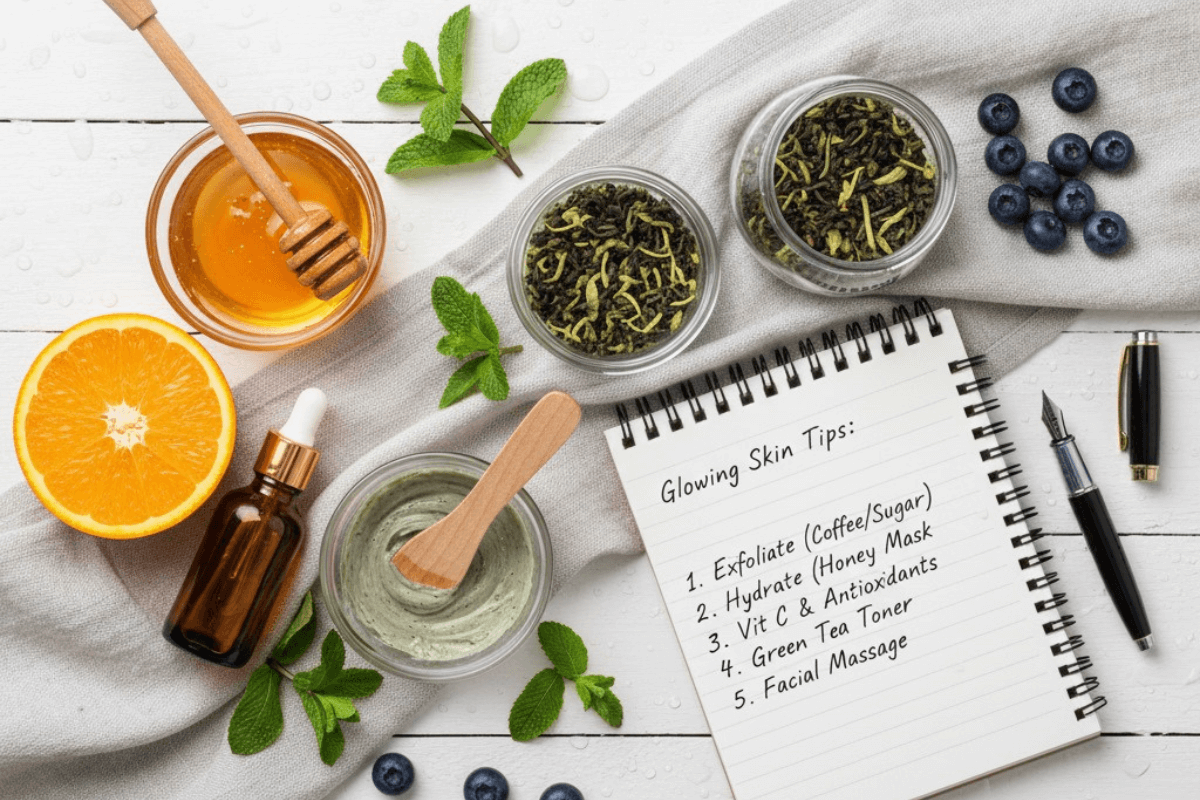
Facial redness on sensitive skin can be a persistent, uncomfortable, and often frustrating issue, particularly for those with a sensitive skin type. Whether it’s caused by environmental triggers, a flare-up of rosacea, or generalized inflammation, redness signals that your skin’s protective barrier is compromised and needs gentle care.
The journey to a serene, even complexion doesn’t require harsh chemicals. This detailed guide focuses on how to reduce redness on sensitive skin using targeted natural remedies, a gentle skincare approach, and smart lifestyle adjustments. By focusing on soothing, strengthening, and protection, you can achieve the best treatment for facial redness naturally.
Understanding Sensitive Skin Redness
Redness often results from inflammation, a sign the skin is reacting to an irritant or internal trigger. This can manifest as:
- Temporary Flushing: Caused by heat, spicy food, alcohol, or strong emotions.
- Persistent Redness (Erythema): Often linked to broken capillaries or conditions like rosacea.
- Irritation: A reaction to harsh products, fragrances, or ingredients, leading to a stinging sensation.
The goal of skincare for sensitive red skin is to minimize inflammatory triggers and rebuild the skin’s natural moisture barrier, making it more resilient.
Part I: Immediate Relief – Natural Remedies for Redness on Face
When your skin is hot, tight, and flaring up, these home remedies for sensitive skin redness offer instant relief by cooling and calming the vascular response.
1. The Power of Cold Therapy
A simple cold compress is one of the fastest ways to calm red irritated skin naturally. The cool temperature helps constrict blood vessels, immediately reducing the appearance of flushing and the sensation of heat.
- Cold Compress: Soak a soft cloth in ice-cold water or chilled green tea (Green tea contains powerful anti-inflammatory polyphenols). Wring it out and gently place it over the red areas for 5-10 minutes.
- Chilled Aloe Vera: Keep pure Aloe Vera gel (free of alcohol and fragrance) in the refrigerator. Aloe’s cooling and soothing properties provide a comforting layer for reducing skin redness at home.
2. Herbal Remedies for Sensitive Skin Irritation
Certain botanicals are renowned for their anti-inflammatory compounds, making them excellent herbal remedies for pigmentation and redness.
- Chamomile: This classic calming herb contains chamazulene, which is powerfully anti-inflammatory. Steep a chamomile tea bag, chill it, and use it as a compress, or look for skincare products formulated with Chamomile extract.
- Calendula (Marigold): Often used for healing, Calendula possesses potent soothing properties that work wonders for natural care for inflamed sensitive skin. A light oil or cream containing this extract can accelerate recovery and reduce irritation.
Part II: Soothing & Strengthening – DIY Masks and Skincare
Consistent, gentle care is essential for long-term reduction. The best approach involves natural ingredients that hydrate, soothe, and fortify the skin barrier.
1. DIY Masks for Calming Skin Redness
Creating your own DIY masks for calming skin redness allows you to ensure the ingredients are fresh, pure, and free from common irritants like synthetic fragrances or preservatives.
| Ingredient | Benefit for Red Skin | Recipe Tip |
| Colloidal Oatmeal | Contains avenanthramides, strong anti-inflammatory and anti-itch compounds. It strengthens the skin barrier. | Mix 1-2 tablespoons of finely ground oats with lukewarm water or pure aloe vera gel to form a paste. Apply for 15 minutes, then rinse gently. |
| Yogurt (Plain) | Contains probiotics and lactic acid, which offer very mild, non-irritating exfoliation and intense hydration. | Combine 1 tablespoon of plain, full-fat yogurt with a pinch of turmeric (a powerful anti-inflammatory). |
| Honey (Raw/Manuka) | A natural humectant that draws in moisture, with antibacterial and anti-inflammatory properties that help heal and soothe. | Apply a thin layer of raw honey directly to the face for 10-15 minutes before rinsing with cool water. |
Export to Sheets
2. The Best Natural Ingredients for Sensitive Skin
When buying over-the-counter products, look for these hero ingredients that are scientifically proven to reduce reactivity:
- Niacinamide (Vitamin B3): An exceptional ingredient that strengthens the skin barrier, reduces inflammation, and minimizes visible redness and blotchiness.
- Centella Asiatica (Cica/Gotu Kola): A highly regarded healing herb that calms irritation, boosts antioxidant activity, and helps repair compromised skin. This is particularly useful for natural ways to treat rosacea redness and repair the visible damage of irritation.
- Squalane: A non-comedogenic oil that mimics the skin’s natural lipids, providing deep moisture and barrier repair without irritation.
Part III: Lifestyle and Prevention—The Crucial Steps
The most sophisticated soothing remedies for red irritated skin will fail without proper daily management and prevention.
1. Gentle Cleansing is Non-Negotiable
- Lukewarm Water Only: Hot water is a major trigger; always wash your face with lukewarm or cool water.
- Fragrance-Free Cleansers: Switch to a non-foaming, gentle, fragrance-free cleanser. Avoid harsh scrubbing or abrasive tools, as physical friction worsens redness.
2. Sun Protection is Your Greatest Ally
UV radiation is a primary trigger for inflammation and is a major exacerbating factor for chronic conditions like rosacea.
- Daily, Broad-Spectrum SPF: Use a broad-spectrum sunscreen with SPF 30 or higher every single day.
- Mineral Sunscreens: For highly reactive skin, mineral sunscreens containing Zinc Oxide and/or Titanium Dioxide are often better tolerated than chemical filters, as they sit on the skin’s surface and reflect UV rays.
3. Identify and Avoid Your Triggers
To truly master how to reduce redness on sensitive skin, you must identify what causes your flare-ups. Common triggers include:
- Spicy foods, hot beverages, and alcohol (especially red wine).
- Extreme temperatures (saunas, cold winds).
- Emotional stress.
- Skincare ingredients like alcohol, synthetic fragrance, witch hazel, and harsh exfoliants (AHA/BHA, retinol).
By combining daily diligence, trigger avoidance, and the gentle, calming properties of nature’s herbal remedies for sensitive skin irritation, you can successfully manage and diminish facial redness, allowing your sensitive skin to return to a state of calm and clarity.
Frequently Asked Questions (FAQ) on Reducing Redness on Sensitive Skin
Here are answers to common questions about treating sensitive skin redness at home, based on the detailed article:
1. How can I reduce redness on sensitive skin naturally?
To reduce redness on sensitive skin naturally, you should focus on a multi-step approach: soothing inflammation, strengthening the skin barrier, and strict trigger avoidance.
- Soothing Remedies: Use cool compresses or chilled Aloe Vera gel for immediate relief.
- Anti-Inflammatory Ingredients: Apply Colloidal Oatmeal or Turmeric masks to calm irritation and fortify the skin.
- Skincare Adjustments: Switch to a gentle, fragrance-free routine. The article highlights the importance of ingredients like Niacinamide and Centella Asiatica to repair and strengthen the skin barrier.
- Sun Protection: Daily use of a mineral-based sunscreen (Zinc Oxide or Titanium Dioxide) is critical, as UV exposure is a major redness trigger.
2. Is aloe vera good for calming redness?
Yes, aloe vera is excellent for calming redness.
The article lists chilled, pure aloe vera gel as one of the most effective natural remedies for redness on face. Its benefits include:
- Cooling Effect: It provides instant relief to hot, irritated skin.
- Soothing Properties: Aloe vera is highly hydrating and packed with antioxidants that help repair and settle inflammation.
The tip is to keep the pure gel in the refrigerator for an extra-soothing effect on red, inflamed areas.
3. Does green tea help with facial redness?
Yes, green tea can help with facial redness.
The article recommends using chilled green tea as a component of cold therapy. This is because:
- Anti-Inflammatory Compounds: Green tea contains polyphenols, which are powerful antioxidants with strong anti-inflammatory properties.
- Cooling Compress: When chilled and applied as a compress, it helps constrict blood vessels, reducing visible flushing and heat while delivering soothing benefits directly to the skin.
4. What foods make skin redness worse?
The article identifies specific food and drink triggers that can cause flushing and worsen skin redness, especially for conditions like rosacea:
- Spicy Foods: These can cause blood vessels to expand, leading to flushing.
- Hot Beverages: The heat from drinks like coffee or tea can cause a flare-up.
- Alcohol: Particularly red wine, alcohol is a common trigger that can worsen inflammation and persistent redness.
The best treatment for facial redness naturally includes tracking and eliminating these triggers from your diet.
5. Which natural ingredients soothe sensitive skin?
The article features several best natural ingredients for sensitive skin known for their calming and soothing effects, which are essential for how to calm red irritated skin naturally:
- Colloidal Oatmeal: An anti-inflammatory and anti-itch agent that protects the skin barrier.
- Chamomile: Contains powerful anti-inflammatory compounds (like chamazulene) that quickly calm irritation.
- Calendula: A healing herb that helps reduce inflammation and supports skin repair.
- Aloe Vera: Provides instant cooling, hydration, and soothing relief.
- Honey (Raw/Manuka): Offers gentle hydration, antibacterial properties, and anti-inflammatory relief.
- Yogurt (Plain): Contains probiotics and lactic acid to hydrate and gently exfoliate without irritation.


