

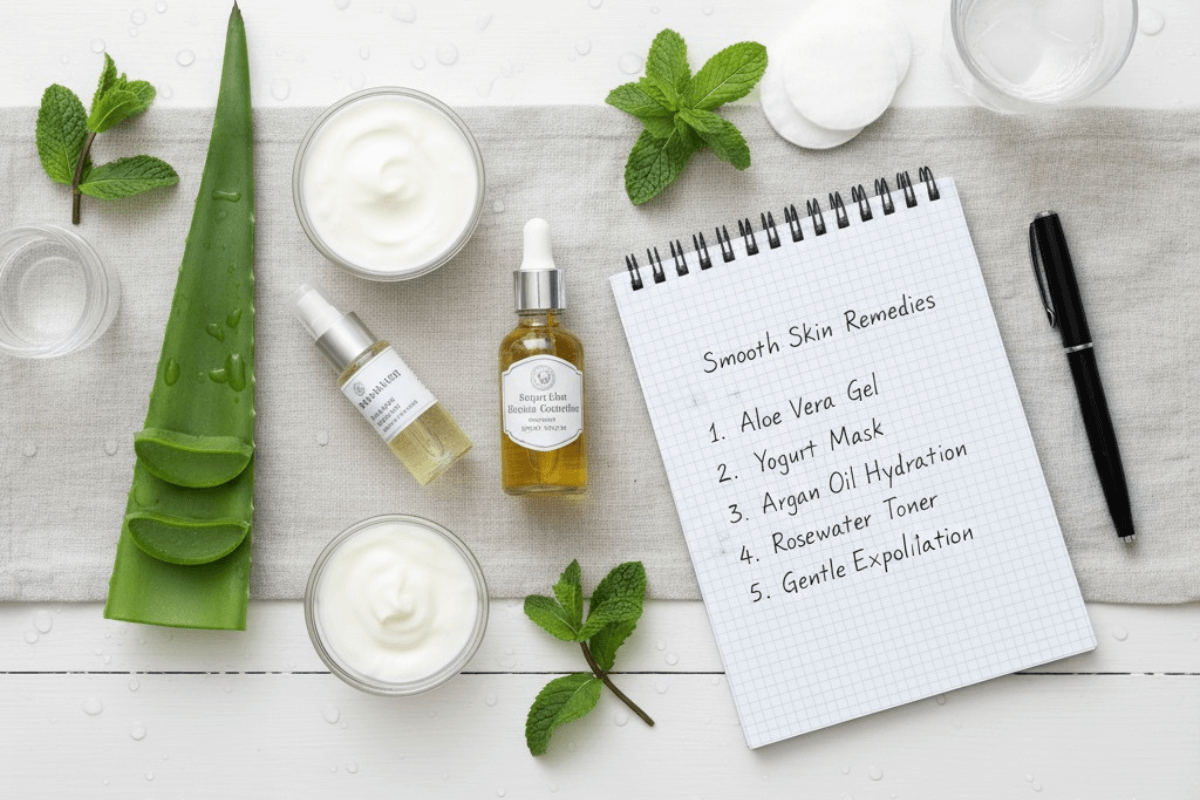
Skin irritation, whether it’s from dryness, an allergic reaction, sun exposure or a minor rash, can be intensely uncomfortable. You can soothe irritated skin with some home remedies. When faced with redness, itching, and inflammation, many people look for safe, effective, and readily available solutions. The good news is that numerous natural remedies for irritated skin can provide immediate comfort and aid in the healing process.
This detailed guide focuses on how to soothe irritated skin at home using ingredients you likely already have, offering the best natural treatment for skin irritation and providing essential soothing care for sensitive irritated skin.
I. Immediate Relief: The Cool-Down Strategy
The quickest way to reduce skin irritation at home is by applying cold, which helps to constrict blood vessels, numbing the area and immediately reducing swelling and itchiness.
1. Cold Compresses and Baths
A simple cold compress is a fast, effective DIY remedy.
- Method: Dampen a clean cloth or towel with cool water, wring out the excess, and apply it directly to the irritated area for 5 to 10 minutes. Alternatively, a cool (not cold) shower or bath can be highly effective for widespread irritation.
- Pro Tip: For extra soothing power, store your favorite moisturizer (especially those containing Aloe Vera) in the refrigerator. Applying a chilled product provides a heightened cooling sensation and instant relief.
2. Colloidal Oatmeal Baths
Oatmeal is one of the most celebrated home remedies for soothing skin irritation. Colloidal oatmeal (finely ground oats) contains compounds called avenanthramides, which have powerful anti-inflammatory and anti-itch properties.
- Method: Fill a bathtub with lukewarm (not hot) water. Stir in about one cup of colloidal oatmeal until the water looks milky. Soak for 15 to 20 minutes.
- Benefit: This calming irritated skin naturally technique forms a protective barrier on the skin’s surface, locking in moisture and easing discomfort, making it a classic best home remedy for itchy skin.
II. The Core Natural Ingredients for Skin Repair
When looking for natural skincare for sensitive irritated skin, certain herbal remedies for skin rashes and irritation stand out for their clinically supported soothing properties.
1. Aloe Vera Gel
Aloe vera is renowned for its healing and cooling properties, making it a top choice for burns, rashes, and general irritation.
- The Science: The clear gel contains polysaccharides that aid in skin repair, along with anti-inflammatory compounds that reduce swelling and redness.
- Method: Apply pure, unadulterated aloe vera gel (fresh from a plant or a store-bought version without alcohol or fragrance) directly to the affected area. It’s an easy, non-sticky way to get quick relief.
2. Virgin Coconut Oil
Coconut oil is rich in medium-chain fatty acids, which possess anti-inflammatory and antimicrobial properties.
- Benefit: As a potent emollient, it helps fill the gaps between skin cells, repairing a damaged skin barrier and providing deep, healing moisture. It’s an excellent natural treatment for skin irritation caused by severe dryness.
- Method: Gently massage a thin layer of virgin (unprocessed) coconut oil onto clean, dry skin. Note: If you are acne-prone, use caution when applying to facial skin, as it can be comedogenic for some.
3. Chamomile and Calendula
These botanicals are staples in natural masks for calming skin irritation.
- Chamomile: Contains compounds like bisabolol and chamazulene, which provide significant anti-inflammatory and soothing effects.
- Calendula: Known for its skin-healing properties, it’s rich in antioxidants and helps regenerate damaged tissue.
- Method: Use chamomile in a compress by steeping a few teabags in hot water, allowing them to cool, and applying the cool bags or the brewed tea liquid to the irritated skin. Look for creams or balms containing high concentrations of Calendula extract.
III. DIY Remedies for Itchy Irritated Skin
For targeted relief of itchiness and minor rashes, these DIY remedies for itchy irritated skin can be prepared quickly at home.
1. Baking Soda Paste
Baking soda (sodium bicarbonate) has a balancing effect on the skin’s pH, which can help calm certain types of itchy or inflamed skin conditions.
- Method: Mix one part baking soda with three parts water to form a smooth paste. Apply it to the localized, affected area (like an insect bite or rash) and leave it on for about 10 minutes before rinsing with cool water.
2. The Soothing Spray
Create a DIY spray for irritated skin relief that is easy to reapply throughout the day.
- Ingredients: 1/2 cup cooled Chamomile tea, 1/4 cup pure Witch Hazel (alcohol-free), and 1 tbsp Aloe Vera juice.
- Method: Combine ingredients and pour into a clean spray bottle. Spritz lightly onto the affected skin for a refreshing, calming irritated skin naturally boost. Store in the refrigerator for up to one week.
3. Yogurt and Honey Mask
This blend is ideal for facial irritation or redness, using yogurt’s lactic acid and probiotics for gentle exfoliation and honey’s natural anti-inflammatory and antibacterial properties.
- Ingredients: 1 tablespoon plain, unsweetened yogurt and 1 teaspoon raw honey.
- Method: Mix well and apply a thin layer to the irritated area. Leave on for 10-15 minutes, then rinse gently with lukewarm water.
IV. Essential Practices for Long-Term Comfort
Beyond immediate treatments, adopting a soothing care for sensitive irritated skin routine is key to long-term health.
- Lukewarm Water Only: Always use cool or lukewarm water for bathing and washing. Hot water strips the skin of its natural oils, worsening dryness and irritation.
- Pat, Don’t Rub: After washing, gently pat the skin dry with a clean, soft towel. Rubbing causes friction that can aggravate already inflamed areas.
- Moisturize Damp Skin: Apply a fragrance-free, hypoallergenic moisturizer (like Shea Butter or a light coconut oil layer) immediately after bathing or washing while the skin is still slightly damp. This locks in moisture and strengthens the skin barrier.
- Wear Soft Fabrics: Choose loose-fitting clothing made from natural, breathable fibers like cotton or silk. Avoid tight garments and synthetic fabrics that can trap heat and worsen itchiness.
When to Seek Professional Help
While natural remedies for irritated skin offer great relief for minor issues, it is crucial to consult a doctor or dermatologist if:
- The irritation or rash covers a large part of your body.
- The irritation is accompanied by a fever or signs of infection (such as pus or intense swelling).
- The rash or itching doesn’t improve after two to three days of home treatment.
- The irritation is on or near your eyes or mouth.
Frequently Asked Questions (FAQ) on Soothing Irritated Skin
Here are answers to common questions about using natural remedies for quick relief from irritated skin, based on the article:
1. What is the best home remedy for irritated skin?
The best home remedy for irritated skin depends on the cause, but the most universally effective and immediate treatment is a cool compress or bath, often combined with Colloidal Oatmeal.
- Cooling: Applying cold immediately reduces inflammation and numbs the itching sensation, offering fast relief.
- Colloidal Oatmeal: Soaking in a lukewarm bath mixed with finely ground colloidal oatmeal is a traditional and highly recommended home remedy for soothing skin irritation. It forms a protective, anti-inflammatory barrier on the skin, effectively calming itchiness and redness.
2. Does aloe vera calm irritated skin?
Yes, aloe vera is highly effective at calming irritated skin.
The article highlights that pure aloe vera gel is a top choice because it contains natural polysaccharides and anti-inflammatory compounds that promote skin cell regeneration and provide a powerful cooling and soothing effect. It is an excellent natural treatment for skin irritation caused by minor burns, sun exposure, or generalized redness.
3. Can oatmeal soothe skin irritation?
Absolutely. Oatmeal, specifically colloidal oatmeal, is one of the most clinically-recognized natural remedies for irritated skin.
Oatmeal contains compounds called avenanthramides, which are known for their strong anti-inflammatory and anti-itch properties. Used in a bath or as a paste, colloidal oatmeal is highly effective for conditions like eczema, rashes, and dryness, making it a critical component of soothing care for sensitive irritated skin.
4. Which oils are good for irritated skin?
When selecting oils to soothe irritation, the focus should be on gentle, deeply moisturizing, and anti-inflammatory options. The article recommends:
- Virgin Coconut Oil: This oil is rich in anti-inflammatory and antimicrobial medium-chain fatty acids. It acts as a powerful emollient, repairing a damaged skin barrier and locking in moisture for severely dry or irritated patches.
- Essential Oils (Used with Caution): Chamomile and Calendula, though often found in oil-based extracts, are praised for their significant anti-inflammatory benefits when blended into creams or balms.
(Note: Always perform a patch test when using any oil, especially essential oils, which must be properly diluted.)
5. What should I avoid putting on irritated skin?
To prevent worsening the irritation and hindering the healing process, the article strongly advises avoiding substances and practices that strip moisture or contain harsh chemicals:
- Hot Water: Avoid hot showers or baths, as they strip the skin of natural oils and can intensify itching.
- Fragrances and Perfumed Products: Stay away from soaps, lotions, and cleansers containing synthetic fragrances or perfumes, as these are common triggers for irritation and allergic reactions in sensitive irritated skin.
- Alcohol-Based Products: Avoid toners, cleansers, or gels (including certain aloe vera gels) that contain alcohol, as this is extremely drying and irritating to inflamed skin.
- Harsh Fabrics: Avoid tight clothing and fabrics like wool or synthetics, which can create friction and trap heat, worsening the itchiness. The article recommends loose-fitting cotton or silk clothing.


