

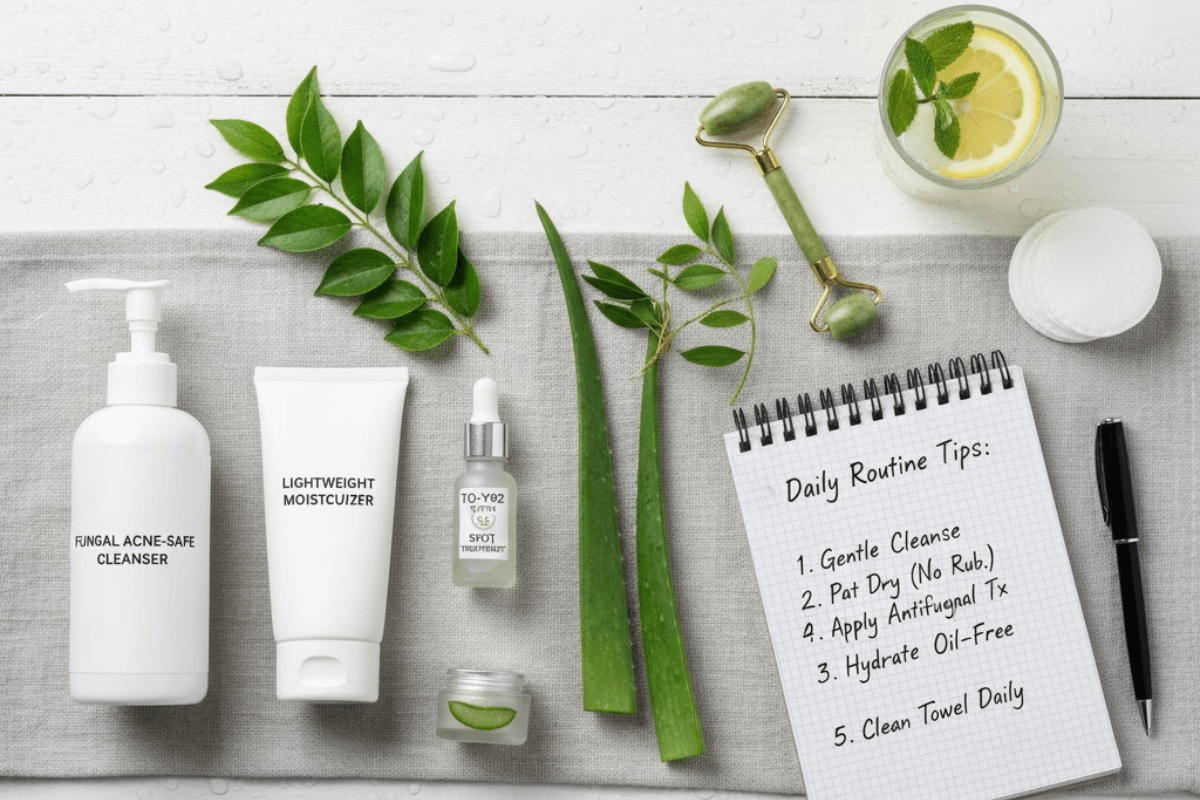
Acne, in all its forms, from an occasional pimple to persistent breakouts, can be a source of frustration especially for acne-prone skin. The good news is that you don’t always need harsh chemicals to find relief. By adopting a holistic approach that focuses on natural remedies, a gentle skincare routine, and strategic dietary choices, you can effectively learn how to treat acne-prone skin naturally and work toward achieving a clearer complexion.
I. The Power of Natural Remedies for Acne-Prone Skin
The world of natural ingredients offers powerful, yet gentle, solutions to calm inflammation, fight bacteria, and unclog pores. These are some of the most effective natural remedies for acne prone skin that you can use right at home.
1. Tea Tree Oil: The Spot-Treatment Savior
Tea tree oil is a celebrated natural acne treatment due to its potent antimicrobial and anti-inflammatory properties. It works by killing P. acnes, the bacteria responsible for acne, and reducing the redness and swelling of existing blemishes.
- How to Use: Never apply undiluted tea tree oil. Mix 1 part tea tree oil with 9 parts water or a carrier oil (like jojoba oil). Apply the mixture directly to spots using a cotton swab, allowing it to act as a focused treatment for how to remove acne and pimples from face.
2. Honey and Cinnamon Mask: Antibacterial & Soothing
Honey is a natural humectant and antibacterial agent, while cinnamon also possesses strong antimicrobial properties. Together, they create a formidable acne prone skin remedy.
- How to Use: Combine 2 tablespoons of pure, raw honey with 1 teaspoon of cinnamon to form a paste. Apply the mask to your clean face for 10-15 minutes, then rinse with warm water. This is an excellent way to gently cleanse and soothe inflamed acne prone skin.
3. Apple Cider Vinegar (ACV) Toner: Balancing Act
Diluted ACV acts as a natural toner. It contains organic acids like acetic acid, which can help kill acne-causing bacteria, and succinic acid, which is known to reduce inflammation. It also helps to balance the skin’s pH and control excess oil, making it an ideal treatment for how to treat oily acne prone skin naturally.
- How to Use: Dilute 1 part ACV with 3 parts water. Apply it to your cleansed face using a cotton ball, focusing on the affected areas. Always start with a high dilution ratio to test your skin’s tolerance.
4. Green Tea: The Antioxidant Boost
Rich in antioxidants called polyphenols (specifically epigallocatechin gallate or EGCG), green tea helps reduce sebum production and fights inflammation. This makes it one of the best home remedies for acne.
- How to Use: Steep green tea in hot water, let it cool completely, and then apply it to your skin with a cotton ball or pour it into a spray bottle as a calming toner.
II. The Essential Skincare Routine
To successfully understand how to clear acne prone skin naturally, you must establish a consistent and gentle skincare regimen. The key is to manage oil without stripping the skin, which can cause the sebaceous glands to overproduce oil.
1. Cleanse Gently and Consistently
Wash your face twice daily—morning and night—and after sweating. Use a mild, natural skin care for acne prone skin cleanser that is non-comedogenic and free from harsh sulfates or irritating alcohol.
- Key Tip: Do not over-wash or scrub vigorously. Over-cleansing strips the skin of its natural protective barrier, leading to irritation and potentially worse breakouts.
2. Choose the Right Natural Products
When selecting natural products for acne prone skin, look for ingredients that clarify and soothe without clogging pores:
- Willow Bark Extract: A natural source of salicylic acid, it exfoliates the inner walls of the pores to prevent blockages.
- Clay Masks (Bentonite/Kaolin): Use 1-2 times a week to absorb excess oil and draw out impurities, an essential step when treating acne skin.
- Hydrate, Don’t Dry: Even if you have oily skin, you must moisturize. Look for lightweight, oil-free, water-based moisturizers that contain soothing ingredients like Aloe Vera or Jojoba Oil. Jojoba oil closely mimics human sebum, tricking the skin into producing less of its own oil.
3. The Hands-Off Rule
It can be tempting, but picking or squeezing blemishes will only spread bacteria, increase inflammation, and dramatically raise the risk of post-inflammatory hyperpigmentation (dark spots) and permanent scarring. Let your skin heal naturally.
III. Diet and Lifestyle: Inside-Out Healing
The most comprehensive strategy for how to treat acne prone skin at home involves addressing internal factors. Your diet and stress levels significantly influence your skin’s health.
1. Focus on a Low-Glycemic Diet
The connection between diet and acne often comes down to the glycemic index (GI). High-glycemic foods cause rapid spikes in blood sugar, which can trigger a cascade of hormones that increase oil production and inflammation.
- Minimize: White bread, sugary sodas, refined cereals, and processed snacks.
- Maximize: Low-glycemic foods like fresh fruits, vegetables, whole grains (oats, quinoa), and legumes.
2. Rethink Dairy and Protein
Some studies suggest a link between dairy (particularly skim milk and whey protein) and acne, likely due to the hormones they contain. If you suspect dairy is a trigger, try eliminating all dairy products for a month to see if your skin improves.
3. Embrace Anti-Inflammatory Foods
Incorporate foods rich in essential nutrients to promote healing:
- Omega-3 Fatty Acids: Found in fatty fish (salmon, mackerel), flaxseeds, and walnuts. These help reduce body-wide inflammation, which is key to calming breakouts.
- Zinc: An essential mineral that regulates hormone levels and aids wound healing. Found in pumpkin seeds, lentils, and chickpeas.
- Antioxidants: Berries, green leafy vegetables, and other colorful produce protect skin cells from damage.
4. Manage Stress
Stress hormones, like cortisol, increase oil production and inflammation, leading to breakouts. Incorporate stress-reducing practices into your daily life:
- Regular, moderate exercise
- Mindfulness and meditation
- Getting 7-9 hours of quality sleep per night
By combining targeted natural remedies, a gentle and consistent skincare routine, and mindful dietary choices, you can learn how to treat acne-prone skin naturally and establish a sustainable path to clear, healthy skin.
Frequently Asked Questions (FAQ) on Natural Acne Treatment
Here are answers to common questions about using natural remedies and lifestyle changes for acne-prone skin, based on the detailed article:
1. Does apple cider vinegar help with acne?
Yes, apple cider vinegar (ACV) can help with acne when used correctly. Diluted ACV acts as a natural toner. It contains organic acids that have antimicrobial properties, meaning they can help kill acne-causing bacteria. It also assists in balancing the skin’s pH level and controlling excess oil production, which is a key factor in how to treat oily acne prone skin naturally.
- How to use: Always dilute ACV (e.g., 1 part ACV to 3 parts water) before applying it to your skin with a cotton ball. Use caution, as it can be irritating if applied too frequently or without dilution.
2. Is tea tree oil good for acne?
Absolutely, tea tree oil is highly effective and widely considered one of the best natural remedies for acne prone skin. It contains strong antimicrobial and anti-inflammatory compounds that target the P. acnes bacteria and reduce the swelling and redness associated with active pimples. It is a fantastic option for how to remove acne and pimples from face as a spot treatment.
- Key Consideration: Tea tree oil must always be diluted with a carrier (like water or jojoba oil) before being applied directly to the skin to prevent irritation.
3. How to make a natural face mask for acne?
One of the most effective and popular DIY options for how to treat acne prone skin at home is the Honey and Cinnamon Mask.
- Ingredients: 2 tablespoons of pure, raw honey and 1 teaspoon of cinnamon.
- Method: Mix the ingredients to form a paste. Apply the mask to a clean face and leave it on for 10-15 minutes. Honey is antibacterial and soothing, while cinnamon provides additional antimicrobial support, making this a powerful natural skin care for acne prone skin remedy.
4. Can a low-glycemic diet help with acne?
Yes, a low-glycemic diet is a powerful lifestyle strategy for treating acne skin naturally. High-glycemic foods cause blood sugar spikes, which can trigger hormone imbalances that, in turn, increase oil (sebum) production and inflammation. By switching to complex carbohydrates (low-glycemic foods) like whole grains, vegetables, and most fruits, you can help stabilize blood sugar and potentially reduce the frequency and severity of breakouts.
5. What foods to avoid with acne?
To successfully clear acne prone skin naturally, consider minimizing or eliminating foods that can trigger inflammation and oil production:
- High-Glycemic Foods: These include white bread, sugary sodas, refined cereals, white rice, and excessive processed snacks.
- Dairy Products: Certain types of dairy, especially skim milk and whey protein supplements, have been linked to acne due to their hormonal content.
- Saturated/Trans Fats: Found in fast food and highly processed items, these can contribute to overall bodily inflammation.


